


Hidden behind Honduras’ not-so-favourable image are clusters of colonial cobblestone villages, a rich, lip-smacking seafood cuisine, exquisite and magnificent Mayan ruins, an astounding diversity of species of birds, white-water rivers cutting through dense, lush mountainous jungles, and pristine, white beaches bounded by what is the second-largest barrier reef in the world. Home to some extremely charming and quaint towns and the immensely popular diving spot of the Bay Islands, Honduras is slowly shedding its negative repute and is transforming into a hotspot for travellers looking to explore the mystery that is Central America. Keep reading to find out about the best places to visit in Honduras, and once you’ve decided on where to go, don’t forget to book a cosy Airbnb.
Upcoming event:
- Feria Juniana: Juniana Fair is an annual festival held in the city of San Pedro Sula that displays the best of Honduran culture. The Gran Carnaval parade is part of the festivities and features dancing and colourful costumes. There'll be a lot of delicious Honduran food as well, and I wouldn't miss the festival for anything! The fair is usually held towards the end of June.
1. Roatan


The dollop of sand and forest that is Roatan Island leaves it begging to be explored. Kick off your Honduras exploration with this tour of Roatan Island wherein you’ll first come face-to-face with the fauna of the island at Daniel’s Sloth hangout, Carambola Botanical Garden, the Iguana Farm, Gumbalimba Money Park, and the Butterfly Gardens. Nibble on homemade cookies as gorgeous reefs, white sand, and cerulean waters await you at West Bay, West End, French Harbour, and Mahogany Bay, where you can end your day by chilling on Tabyana Beach.
Good to know:
Roatan is a great diving destination as it is surrounded by the second-largest barrier reef in the world. I would love to try out the sport here!
Ferries to Roatan operate from La Ceiba and the island of Utila, which are great options if you want to see more of the sea.
You an learn more about the destination on this website.
Stay here:
Book Tours : Customizable Best Of Roatan Island Tour in Honduras
2. Utila
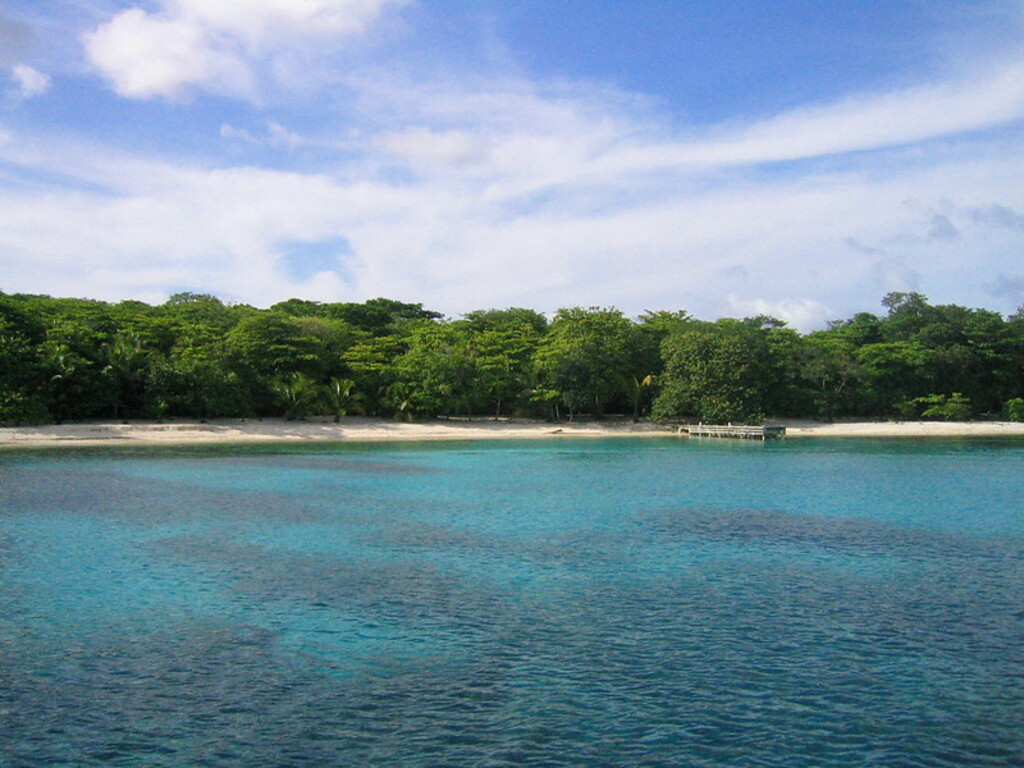
The tiny Utila is Honduras’ most popular backpacker haunt and also one of the world’s cheapest places for learning diving. The tiny island town with a laid-back vibe and awe-inspiring tropical beauty features tons of dive shops, bars, restaurants, and hotels, along with two small beaches, Chepes and Pumpkin Hill, set into a curving bay. Also, check out Bat Cave, Turtle Harbour, Water Cay, and the Iguana Research and Breeding Station. Much of Utila is lush impenetrable wilderness which can be accessed only by sea. While on Utila, try to spot the gentle giants that are juvenile whale sharks - it’s like winning the ocean jackpot once you catch sight of them.
Good to know:
- Utila's Whale Shark & Oceanic Research Center organizes ocean safaris regularly to monitor whale shark populations. You can see other sea creatures such as dolphins, tuna boils, and pilot whales on the expedition led by local guides, and they'll even stop for a snorkelling session for the participants.
Stay here:
3. Copán
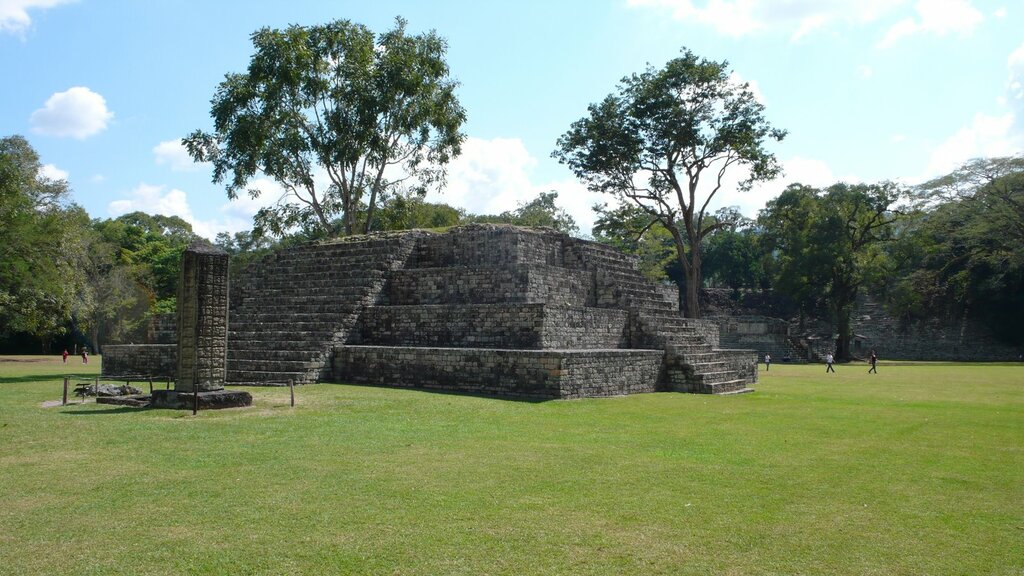
One of Honduras’ most quaint and enchanting towns oriented just for travellers, the beautiful Copán near the Guatemalan border is all about stunning white structures with red-tiled roofs, cobblestone streets - and most famously, an ancient Mayan ruined city. Dating back to 1,000 BC, the 250-acre-huge (101 hectares) site, which was abandoned by 1,200 AD, features a raised stone platform (acropolis) with plazas, stairways, two huge pyramids, stone temples, and a court for the ball game of tlachtli (pok-ta-pok in Mayan). Stare in awe at the beautiful carved Hieroglyphic Stairway leading to one of the temples. To me it seems like the perfect place to explore with friends!
Good to know:
- The area has a few great eateries where you can unwind after spending the day at the ruins. The Tea & Chocolate Place and Café San Rafael are some of the more popular ones.
Stay here:
Budget: Garden Hotel
4. Gracias
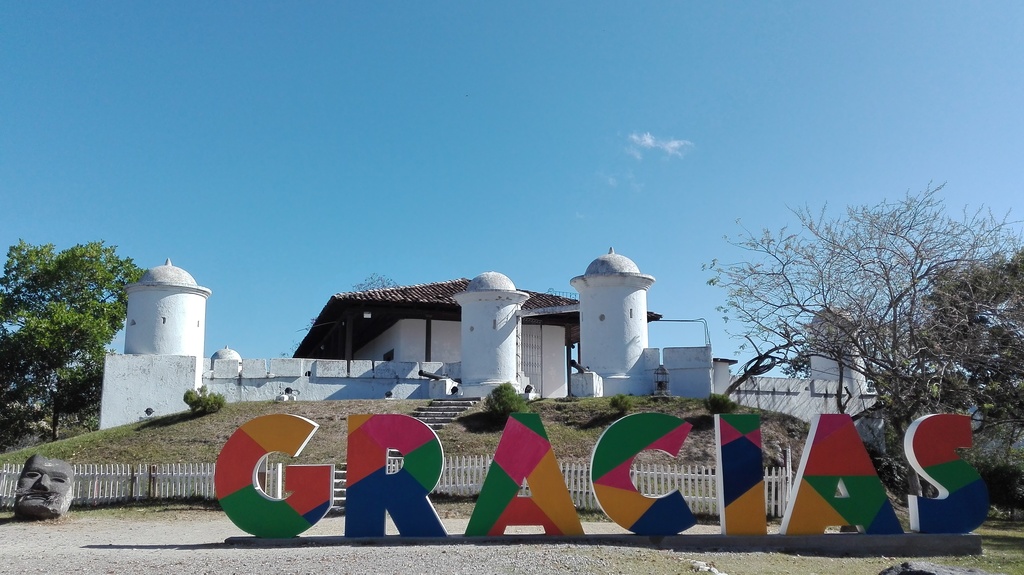
Tranquil, serene, pristine - the cobblestoned Gracias is one of Honduras’ loveliest and most historic settlements. Having held the position of Spanish-conquered Central America’s capital for a while in the 16th century, Gracias still features remnants of its former grand past in the form of an imposing fort, beautiful colonial churches, and centuries-old structures. A laid-back vibe hangs thick in the air at Gracias, which attracts backpackers as well as the more intrepid ones looking to trek and hike in the surrounding forested mountainous countryside or looking to climb Honduras’ highest peak, the El Cerro de las Minas.
Good to know:
Casa Galeano is the city’s museum and perhaps its most popular attraction. Make sure to also visit the Fort of San Cristóbal, famous for its unique towers.
For more information on the town, you can check out its tourism board page.
Stay here:
5. Tela

Home to the largest botanical garden in the Americas, the Lancetilla Botanical Garden, as well as the nature reserves of Punta Izopo and Jeanette Kawas (Parque Nacional Punta Sal), Tela on the southern shores of the Caribbean is what can only be described as wild beauty. Tela is perhaps most known for the Caribbean’s most spectacular reef diving in relatively limitless stretches of the Mesoamerican Reef, which features one of the largest concentrations of elk coral in the world.
Good to know:
The city offers unique attractions such as Tela Marine, the city aquarium, and Magic Planet amusement park. I think it’s a great spot to have a family vacation.
You can learn more about Tela on its tourism board page.
Stay here:
Luxury: La Ensenada Beach Resort
Budget: Hotel Playa Caribe
6. La Ceiba
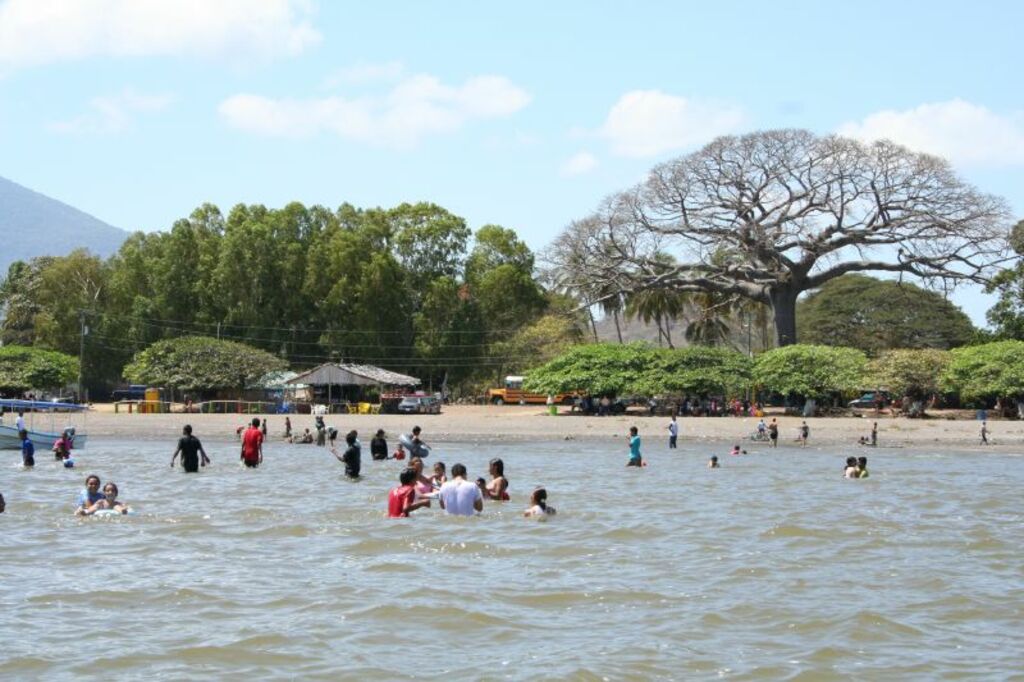
Popular as the good-time town and the eco-tourism capital of Honduras, the port city of La Ceiba is fiesta central and home to the Zona Viva - a lively beach nightlife district - where restaurants, bars, and nightclubs all result in a Caribbean city that never sleeps. La Ceiba is the perfect base for exploring the gorgeously blinding white waters of Rio Cangrejal where you can indulge in white-water rafting, as well as the idyllic, pristine islands of Cayos Cochinos, as well as the Pico Bonito National Park. Travellers will pass through La Ceiba at one point or another on their Honduras vacay as it is an important transportation hub for the Bay Islands.
Good to know:
Paseo de los Ceibeños is a restored dock and boardwalk that’s a great place to just lounge and enjoy the views.
If you want more information on the city, check out its tourism board page.
Stay here:
Budget: Hotel El Dorado
7. Comayagua

Comayagua can be found in a vast, fertile valley and it lies right on the very centre of Honduras, in the heart of the American continent. The former Spanish colonial capital of Honduras province, Comayagua’s rich past is evident in its colonial buildings like Central America’s first university founded in the 17th century, a number of 16th-century churches, as well as a notable 18th-century Spanish Baroque Cathedral. Head to restored downtown Comayagua where much of the city’s unique colonial atmosphere and charm emanates from.
Good to know:
You can head to Comayagua Regional Museum to learn more about the history of the city.
The city is also known for its colourful sawdust carpets that are strongly connected to its Catholic roots. I would love to take some photos of these beautiful artworks!
Want to know more about the city? Check out its tourism board page.
Stay here:
Budget: Helechos Hotel
8. Trujillo
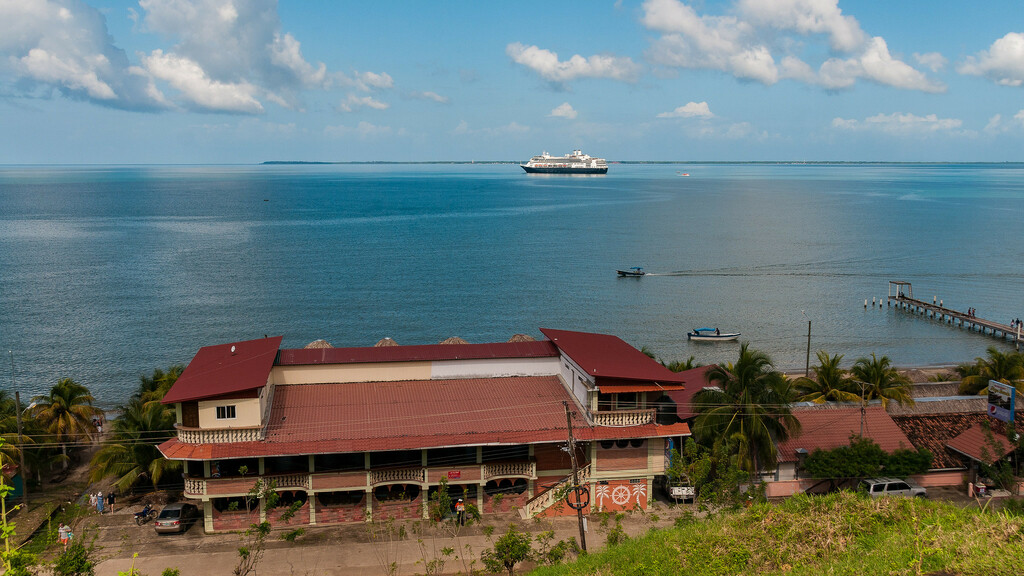
The sleepy, tropical, unhurried Caribbean backwater town of Trujillo is one of the first cities to have been founded during the Spanish conquest. It brims with a frontier-town vibe. See the old cemetery, Santa Bárbara Fortress, and San Juan Bautista Cathedral in Trujillo’s historic centre. Get to dig into its delectable cuisine including the traditional Garífuna drink Gifitti, Kazabe, coconut bread, and Tabletas. Don’t miss exploring the natural beauty of the region, which includes the famous “Bak of Stars” with around 30 kinds of starfish, the coral bank Cayo Blanco, as well as the brilliant cerulean expanse of Trujillo Bay, which has seen many buccaneers roam its waters, with stunning, pristine beaches, and the protected areas of Capiro and Calentura National Parks.
Good to know:
The city’s Central Park, and its vicinity, is a great place to walk around, or you can just lounge and take some rest.
Learn more about the settlement on its tourism board page.
Stay here:
9. Puerto Cortés
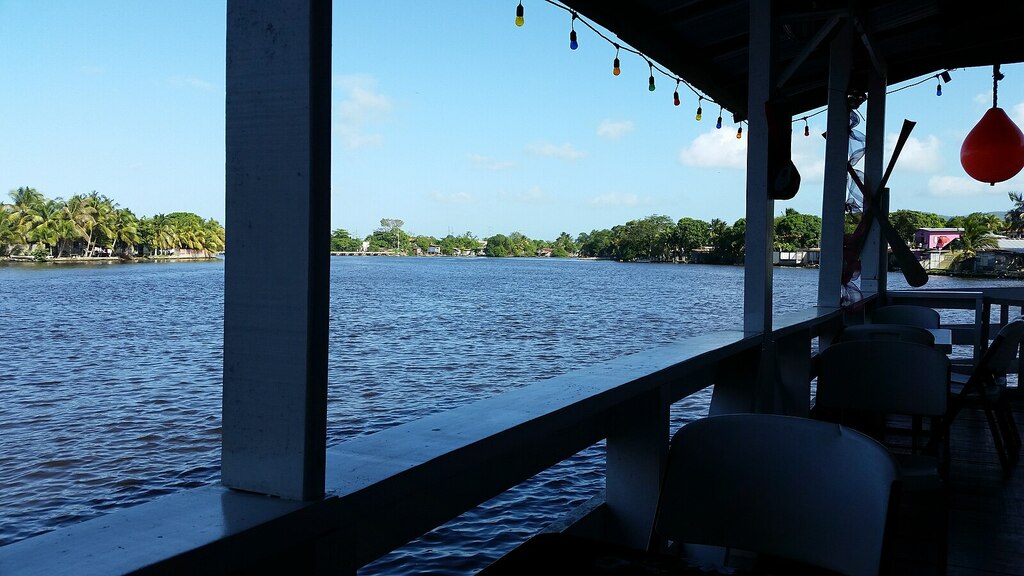
Honduras’ main port town Puerto Cortés on the northern coast of the country is the main seaport for getting into San Pedro Sula and the Sula Valley. While the town itself is little more than just a pass-by town, do visit the towns of Bajamar and Travesía around 10 to 20 km (6 to 12 mi) from Puerto Cortés along the shores of the Caribbean, which are home to some of the most important Carib-African Garifuna communities of Honduras. If you’re in Bajamar on the third weekend of July, you’ll be able to experience the lively cultural dances as part of the National Garifuna Festival.
Good to know:
- The city has a few beaches, of which Playa de la Coca Cola is perhaps the most popular. It seems to me like the perfect spot to watch the sunset.
Stay here:
10. Santa Rosa de Copán
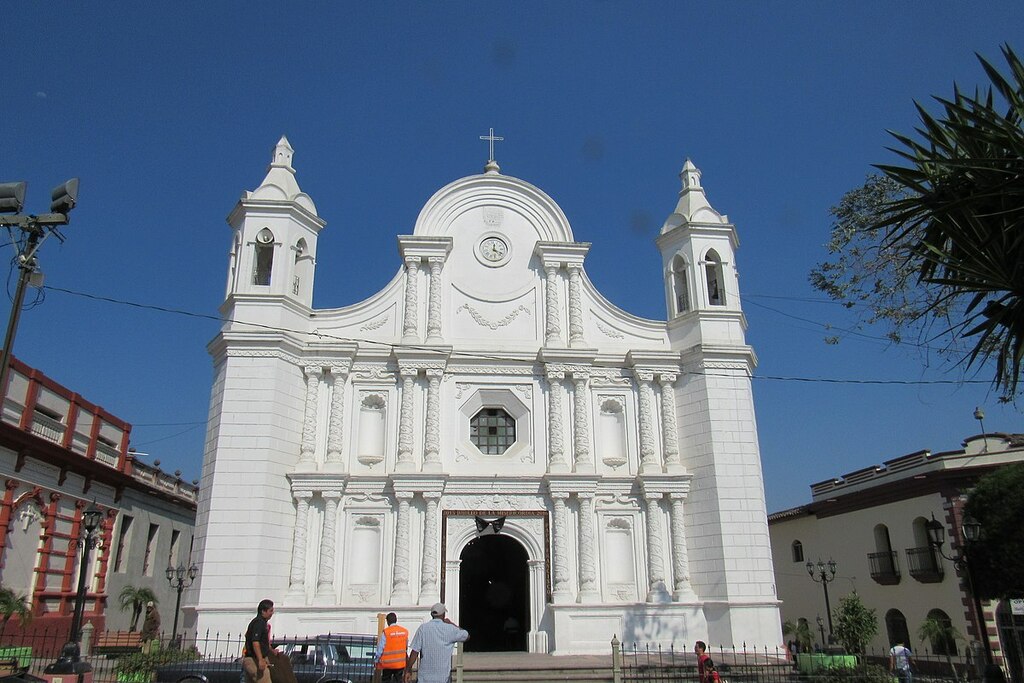
The mountain town of Santa Rosa de Copán in the heart of mountainous western Honduras is full of lovely restored colonial structures lined along its cobblestone boulevards. An offbeat destination in the country, the town is known for producing quality tobacco, and you can learn all about Honduras’ history with tobacco at the cigar factory. The town is also an important coffee hub so do visit a coffee plantation and make sure to try some authentic, delicious Honduran coffee after a day of exploring Santa Rosa de Copán.
Good to know:
Try out local delicacies such as baked chanchita, ticucos, and totopostes while in the city. Timoshenko, the unique coffee liqueur of the city, is another offering that you shouldn’t miss out on. I would love to take some bottles back home as souvenirs!
Learn more about the city on its tourism board page.
Stay here:
11. Omoa
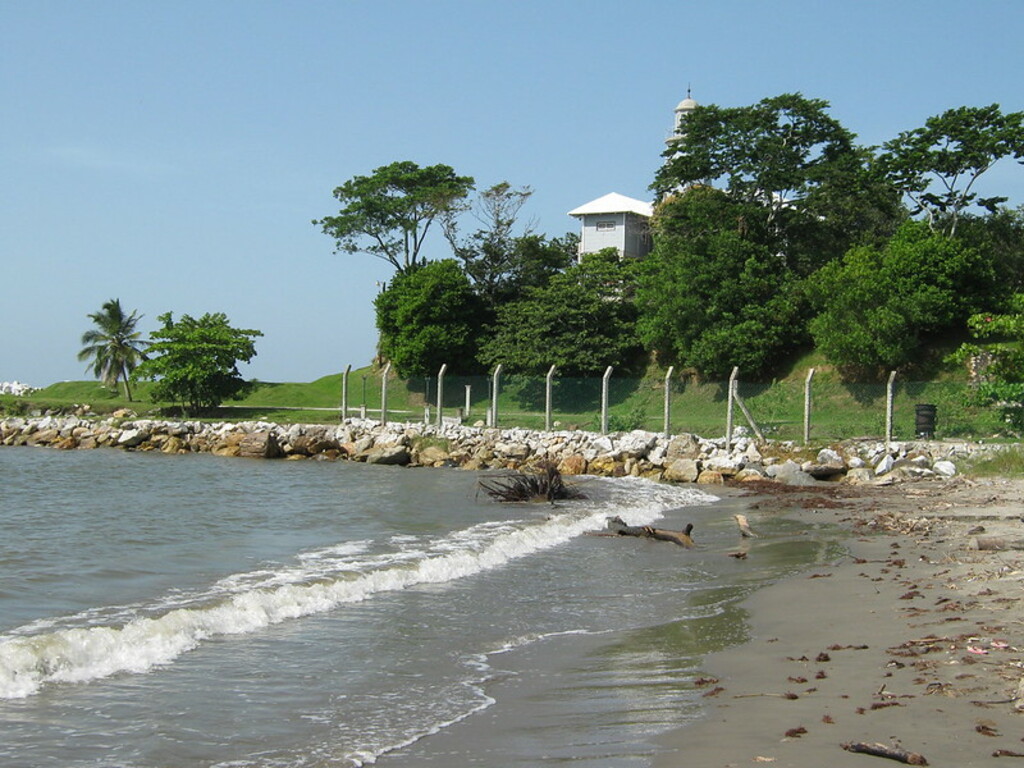
For a truly offbeat experience in Honduras, head to the seemingly end-of-the-road but utterly picturesque Omoa which sits on a curving bay just a little southwest of Puerto Cortés on the Caribbean coastline. The highlight of Omoa is definitely the sleeping giant of an 18th-century Spanish fortress of San Fernando de Omoa, which was built to protect the former seaport from raiders, buccaneers, and pirates of the Atlantic. I think it would be a great place to just sit and contemplate history. Also, visit the museum attached to the fort. Watch a truly beautiful Caribbean sunset as you end your day with a delicious dinner at the many seafood restaurants along the waterfront.
Good to know:
Mar de Plata Omoa is the town’s main beach and is a great place to unwind in the afternoon.
Muelle de Omoa is a fishing pier that offers a beautiful backdrop for your photos.
Stay here:
12. La Esperanza

The pretty, bustling La Esperanza is Honduras’ highest, and friendliest, city - with a strong indigenous influence. This town, which is full of colour and folklore, is known for its vibrant and bold markets and a plethora of vibrant Lenca woven products, right from ponchos and scarves to skirts and headdresses. I would certainly score some souvenirs from here if I ever visit! Shop for authentic Lenca products at Artesanias Togopala, stop by the small cave-turned-chapel of La Gruta, delve into Lenca culture at Casa de la Cultura and enjoy delicious Honduran food at La Hacienda Lenca and MarDu Arte Cafe Y Vino.
Good to know:
You can find a ‘dwarf forest’ on the outskirts of the city that is populated by 300-year-old shrubs.
Learn more about the city on the tourism board page.
Stay here:
Luxury: Posada Papa Chepe
Budget: Hotel Ipsan Nah
13. El Progreso
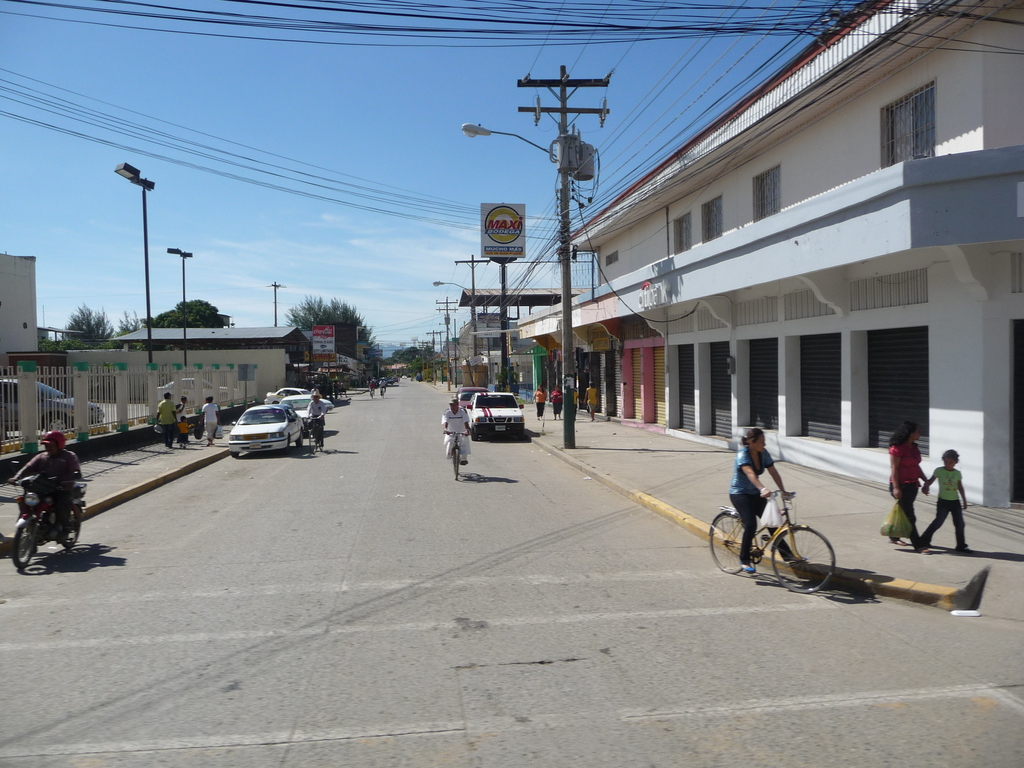
Located on the banks of the River Ulua, one of Honduras’ largest and most important rivers, El Progreso is famous as the ‘Pearl of the Ulua’. Founded as a banana trade centre in 1927, today the town is home to one of the largest tourist shops in the region–Turiplaza, which lies around 1 mile (1.6 km) from the city centre. Here, as well as markets on El Progreso, travellers can purchase handmade crafts typical of the region, particularly the beautiful wooden carved boxes that Honduras is famous for.
Good to know:
- Las Mercedes Park is the city's main park and faces the beautiful Our Lady of Mercy Catholic Church. To me, it seems like a great place to sit and people-watch!
Stay here:
14. Isla de Tigre
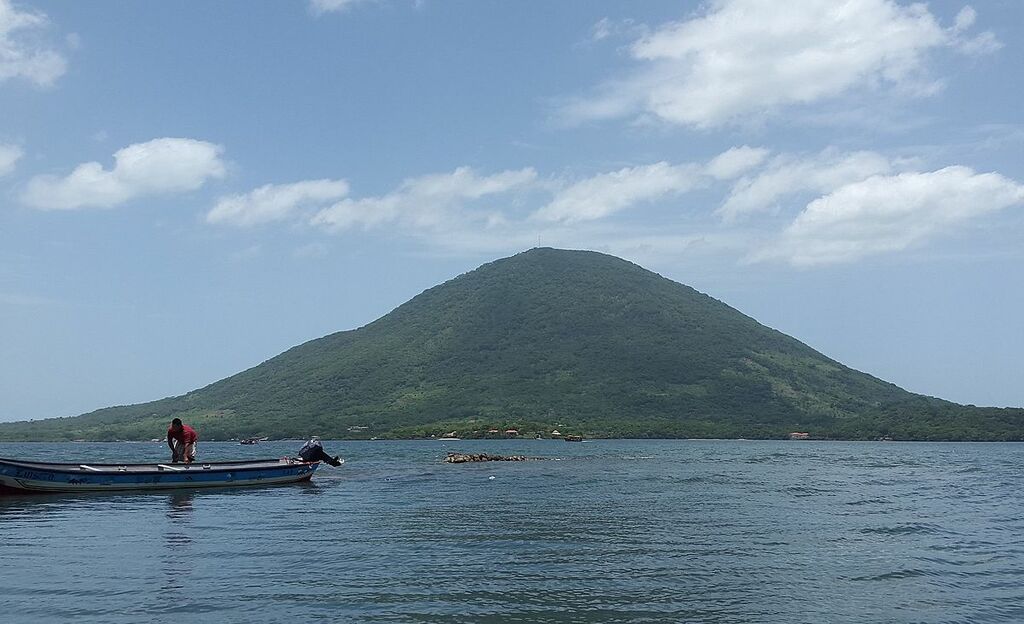
For the more intrepid ones visiting Honduras, the dormant volcanic island of Isla del Tigre off the southern coast of Honduras in the Pacific Ocean should make for an interesting destination. The dramatic, lush, forested island has a few beaches of which the Playa Negra, a black sand beach, is unarguably the island’s best. It seems to me a beautiful spot to lounge and relish the breeze. In fact, all Isla de Tigre beaches are black sand beaches so travellers need to wear footwear while on the beach. Explore the main town of Amapala, a scruffy fishing village with scenic weatherboard architecture.
Good to know:
- Ferries ply to Isla de Tigre from Coyolito, though the schedule is said to be irregular.
Stay here:
15. Ocotepeque
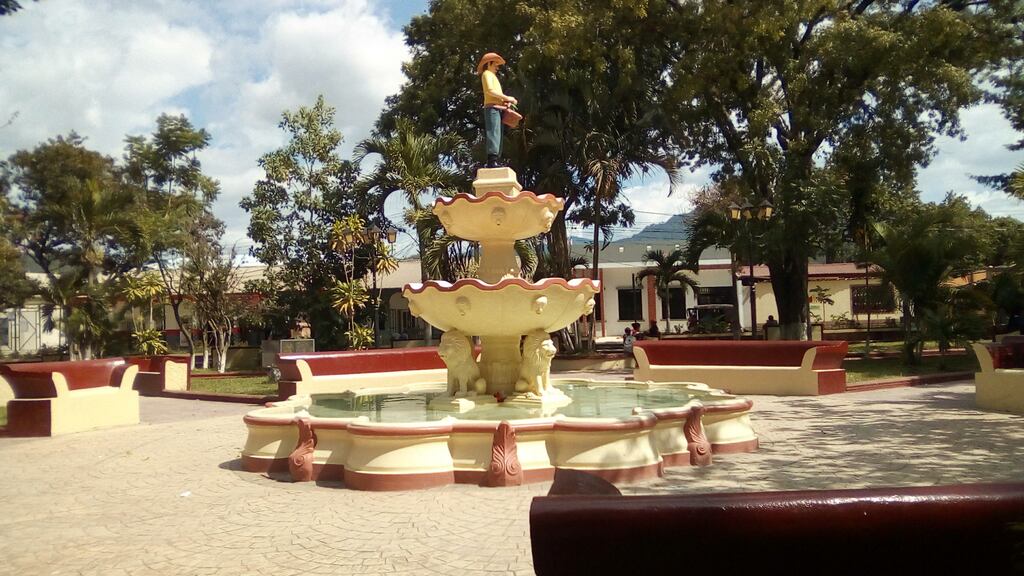
Lying near the western border of Honduras and close to both the El Salvador and Guatemala borders, Nueve Ocotepeque (now simply Ocotopeque) possesses an amazing blend of cultures. 10 minutes south of Octopeque lies Antigua Octopeque, the original town razed to the ground in 1934 by the rough waters of the mighty Marchala River which flows alongside both the towns. The town is famous for enacting the drama of Moros y cristianos, the traditional dance of the Moors and Christians, which goes back to the origins of the Spanish colony.
Good to know:
- Ocotepeque Park is surrounded by many eateries and cafes. Some of the more popular ones include Restaurante KATUZ, La Casa de los Asados, and Café Espresso Latino Centro.
Stay here:
16. Danlí
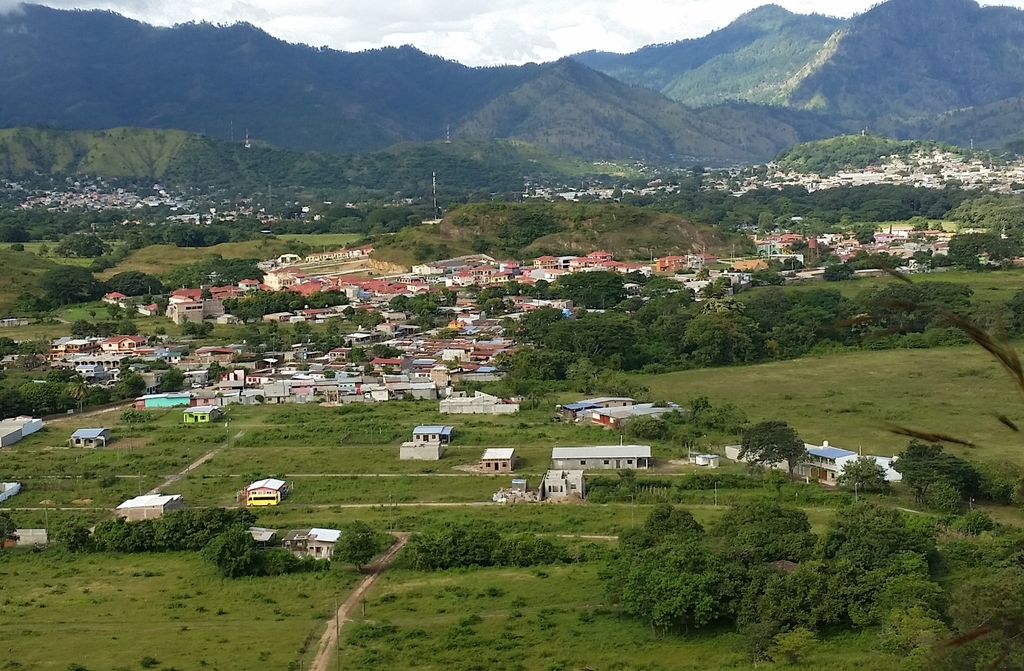
Honduras’ other tobacco-growing region, apart from Santa Rosa de Copán, is Danlí, which means “water running over sand”, with the town’s name having been bestowed by the indigenous people who once lived here. This charming colonial town was founded as San Buena Ventura by Spanish explorers but was renamed as Danlí later on. The city is a manufacturer and connoisseur of fine cigars, and tours of cigar factories are popular attractions here. I would love to score some cigars as keepsakes! Another mainstay of Danlí since pre-Columbian times is corn, with the city celebrating this crop in the last week of August with the Festival Nacional del Maíz.
Good to know:
If you want to learn more about the history of the city, stop by the Municipal Museum of Danli.
Mall Uniplaza would be a good enough place to do some quick shopping.
Stay here:
17. Peña Blanca
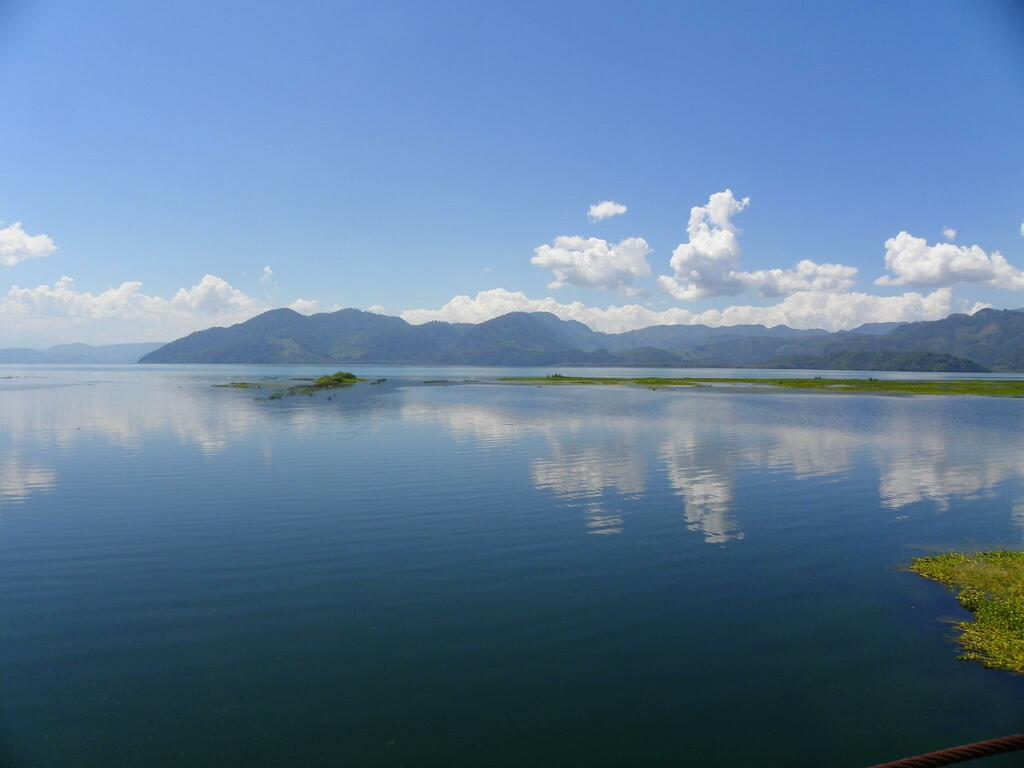
The picturesque town of Peña Blanca is perhaps known most for the Lake Yojoa and the Eco-Arqueológico Los Naranjos Park, both of which lie just outside town. With a host of cabins and small hotels on its banks, Lake Yojoa is a popular spot, especially with travellers on their way from Bay Islands to Nicaragua. The lake is also home to 485 species of birds, more than half in Honduras, including the elusive quetzal. I would love to try out birdwatching here! Travellers can also kayak in the lake, visit coffee plantations, and hike waterfalls in the area - this exciting town provides an array of activities to keep you busy. The Eco-Arqueológico Los Naranjos Park, on the other hand, is the largest preclassic-era Lenca archaeological site and features 6 km (3.7 miles) of trails perfect for bird-watching.
Good to know:
- Cabo Cañaveral is a waterpark within the city that offers an excellent spot to cool down under the tropical sun.
Stay here:
18. Catacamas
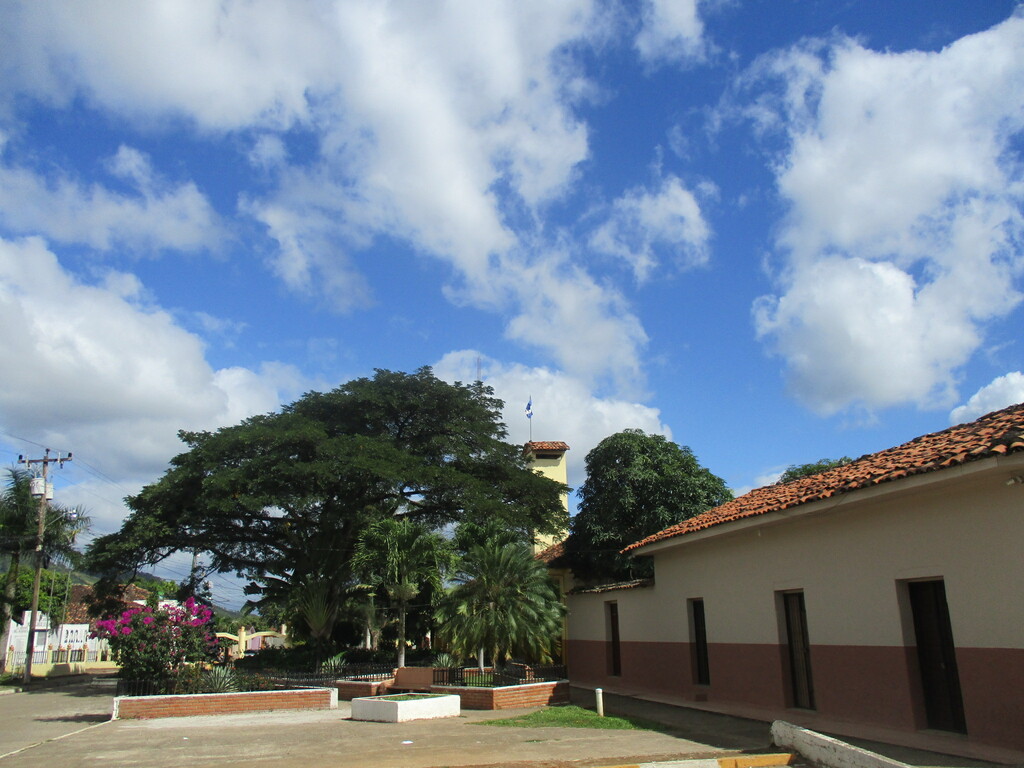
Called the “Florida City” by the great Olanchanoan writer and poet Froylán Turcios, Catacamas lies on the plains fed by the Guayape River. The city is surrounded by natural areas of great beauty, biosphere reserves, and the world-famous Talgua Caves, which are also known as the “Cave of the Glowing Skulls”. Located at the southern end of the Sierra de Agalta National Park, these caves were a unique find as they were ceremonial burial grounds for an ancient, undetermined civilization, and were, thus, named for how the light was reflected in the calcite deposits in the bones. Don’t miss this mysterious and wondrous marvel on your Honduras excursion.
Good to know:
- Cerro De La Cruz Catacamas is a hiking spot dominated by a beautiful cross, however, the views from here are perhaps more spectacular. You can get here by hiking up a set of stairs.
Stay here:
19. Juticalpa
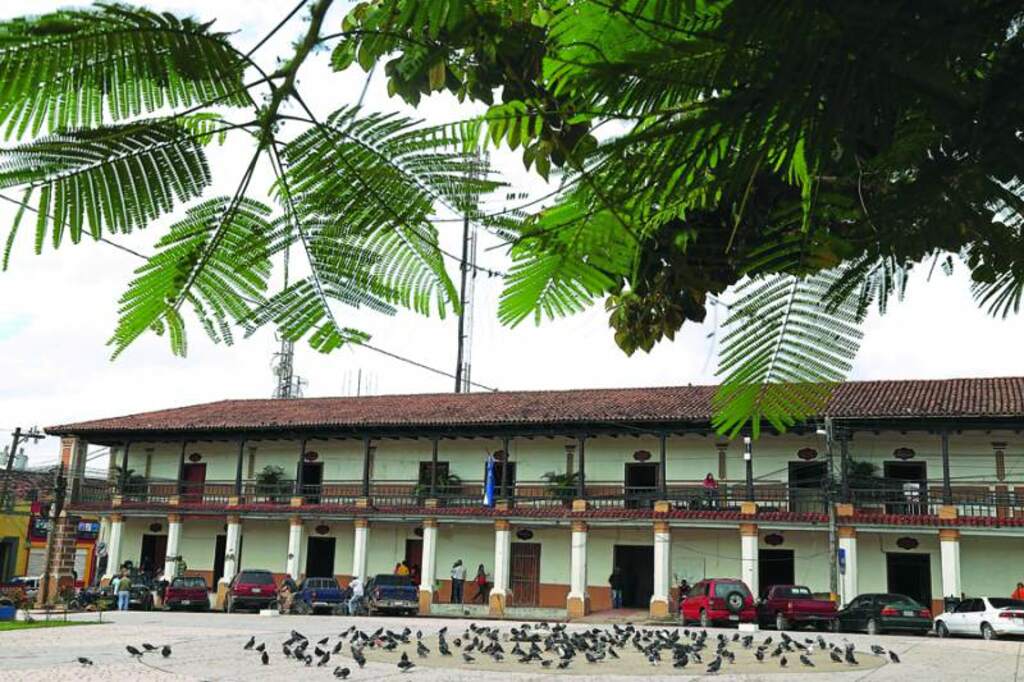
Located on the banks of the Juticalpa River, the 18th-century, historical town of Juticalpa has a strong Spanish colonial influence, especially around the central square. The square also features the city’s architectural heritage which includes a few lovely colonial churches, an old municipal building housing the city hall, and another old colonial structure housing the Casa de La Cultura, which demonstrates the cultural and historical richness of the Olancho region and Juticalpa. I think it’s a great spot to take some beautiful photos!
Good to know:
- If you want to do some shopping, head to Mall Premier Juticalpa.
Stay here:
Budget: Pet-friendly home
20. Cofradía
Editor's Note: There's no photo available at the time of writing
On the border of the Cortés and the Santa Barbara departments of Honduras sits the lovely, hilly town of Cofradía, literally meaning “brotherhood”. The laid-back Honduran town is all about towering palm trees, flowering hedges, colourful homes, and friendly residents, as it sits nestled against the lush green Merendón mountains. Take a break from Cofradía’s hot, humid climate and head to the lovely Cusuco National Park just two hours from the city. Nature lovers will love the swimming holes, waterfalls, and hiking trails, and spotting the abundant wildlife.
Good to know:
- Donaldo Sabillón Park is a nice place to rest up after touring the town. You can head to the nearby Cusuco Café if you want some quick bites.
21. Puerto Lempira
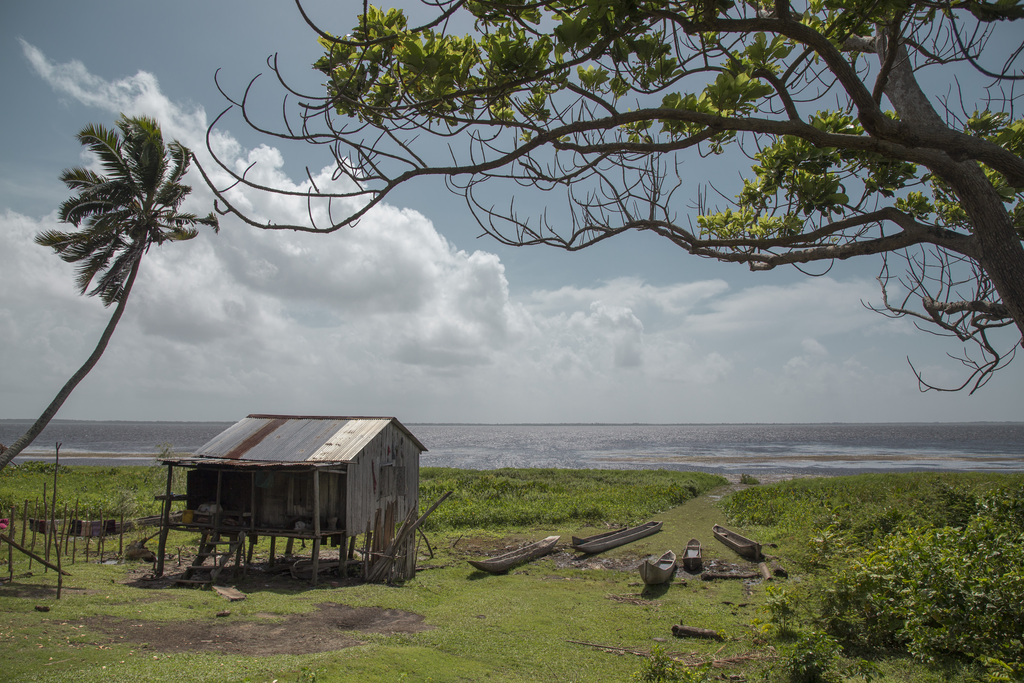
The largest town of Honduras’ famous La Mosquitia region, Puerto Lempira is still just a very large village with roads that are still unpaved with friendly denizens who deign to smile back when you say ‘buenos dias’. One of the most popular things to do in Puerto Lempira is a day trip to the picturesque, quaint Miskito village of Mistruk on the banks of the Tansin Lagoon, 18 km (11 miles) south of town. Take note that you should prepare for a long day of travelling under the sun, though!
Good to know:
- The easiest way to get to Puerto Lempira is via its airfield, and the town has no connection by highway to the rest of Honduras.
22. Yuscarán
Editor's Note: There's no photo available at the time of writing
Dating back to the early 18th century, the colonial town of Yuscarán enjoys a cool, pleasant climate due to it being surrounded by mountain peaks. Yuscarán is an ancient Indian name meaning “big mountain” and was declared a National Monument in 1979 with its town centre featuring more than 200 colonial homes. Home of famous Honduran painter Teresita Fortí, Yuscarán is also famous for its festivals. One is the celebration of its patron saint, the Immaculate Conception of Mary, in the first week of December. If you are in the area then, you’re in for a real treat seeing the town dress up for this celebration. A second interesting festival is the Mango Festival celebrated in the last week of May due to the wide variety of mangoes that grow in Honduras. I would love to taste some of these!
Good to know:
- Yuscaran is about an hour and a half away from Tegucigalpa and is connected by highway to Nicaragua.
Stay here:
23. La Lima
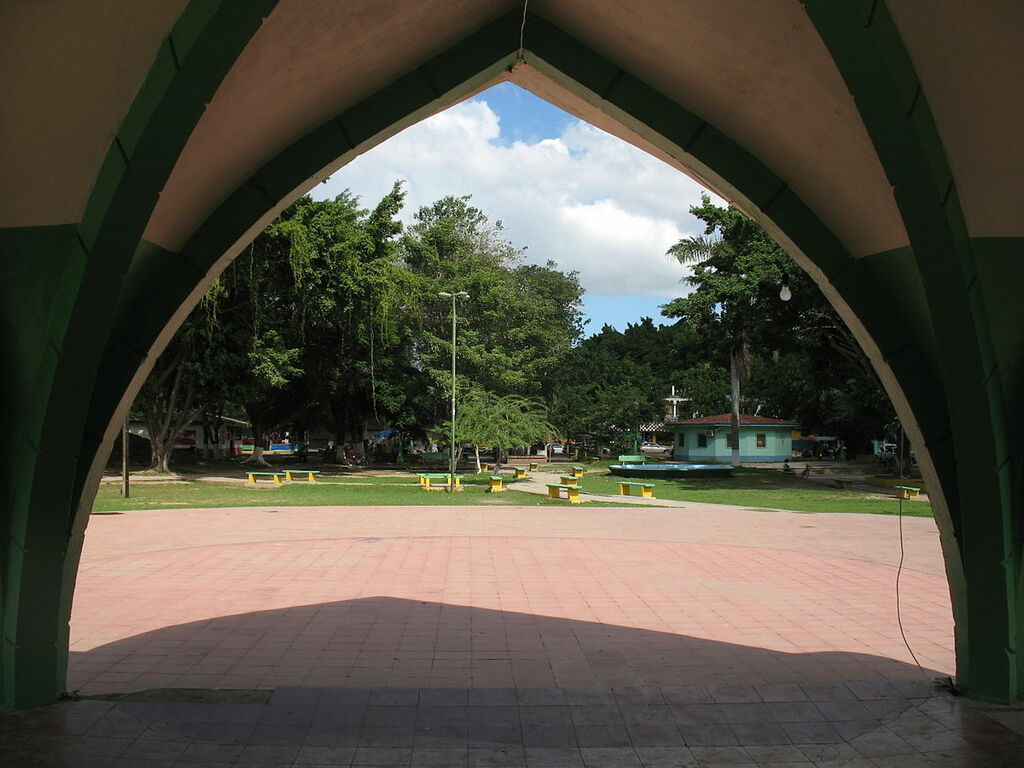
The city of La Lima is divided into two parts by the river Chamelecon - the eastern La Lima Nueva whose people are known as “limeños”, and the western La Lima Vieja. The city is home to one of Central America’s largest golf courses, La Lima Golf and Sport Club. Enjoy a relaxing tee time at this wonderful and beautiful club before guzzling an ice-cold beer and digging into some amazing food here. This might just be the unique respite from the metropolis you need.
Good to know:
- La Lima is situated right beside Ramón Villeda Morales International Airport which primarily serves the adjacent city of San Pedro Sula. I think it might be a great place to stay and decide your next destination to explore in the country.
Stay here:
24. Nacaome
Editor's Note: There's no photo available at the time of writing
Nacaome is a very old city founded in the 16th century, much before the Spanish conquest. Its origins go back to the time when the aboriginal groups of Chaparrastiques and Cholulas decided to stop fighting and build a new town on the western banks of the Chapulapa (Nacaome) River, right in the middle of their territories. It was ably named “Naca-Ome”, (“union of two races”) in their dialect of Nahuatl. The town is famous for the beautiful, colonial Mormon Church of Jesus Christ of Latter-Day Saints.
Good to know:
- Nacaome Park is situated right next to Iglesia Católica San José and is a great spot to take some cool photos.
Stay here:
25. Sambo Creek


The traditional, scruffy, but fascinating Garifuna fishing village of Sambo Creek on Honduras’ Caribbean Sea coast houses Honduras’ largest Garifuna populace, making it a true, thriving Garifuna town. The town is the best place for attending traditional punta dances, complete with music, by the beach every Sunday, which also features women’s traditional headdresses and striking attire. The beach itself is a lovely, white, and clean stretch of sand along the length of the entire town, making the party an even more fun affair. (see map)
Good to know:
- Situated within Sambo Creek, Glenda's Paradise offers natural hot springs and pavilions with hammocks, making it perfect for a relaxing day.
Stay here:
26. Olanchito
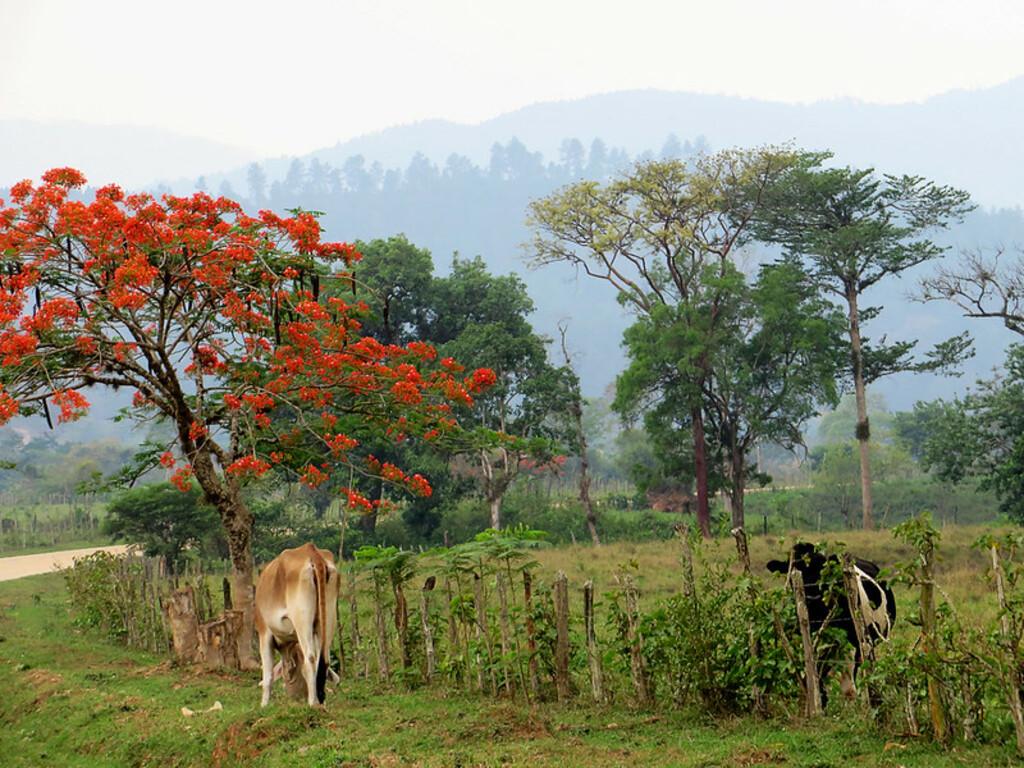
Olanchito is the birthplace of many components of the literary history of Honduras, the most famous being famed Honduran author Ramón Amaya Amador who hails from the city. The city (Casa de la Cultura) is home to not just a collection of his books and his manuscripts, but even the table at which he wrote and his ashes as well. The old colonial town, which was founded somewhere in the 16th to 17th century, features a lovely colonial city grid surrounded by a square park, colonial structures with tiled roofs, and colonial churches. There are also structures with strong architectural influences dating back to Olanchito’s heyday as one of the main cities for banana production and export in Honduras.
Good to know:
- Olanchito Central Park has a few restaurants surrounding it. Popular options include La Esquina Del Sabor Olanchito and La Fogata Sport Bar and Grill.
Stay here:
27. Tegucigalpa


Honduras’ sprawling capital Tegucigalpa is bounded by forested hills in a highland valley, enjoying a mild climate. Explore the old and new areas of the bustling, dynamic ‘Tegus’, as locals call it, on this 3.5-hour walking tour during in which you will visit the 18th-century San Miguel Cathedral, explore Honduras’ history at the Museum of National Identity and the National Archives, admire Los Dolores Church, and also keep an ear out for the city’s dynamic, young urban scene led by emerging designers, DJs, musicians, and artists.
Good to know:
Make sure to visit Basílica de Nuestra Señora de Suyapa! Its beautiful architecture is sure to captivate you!
Parks are plentiful in the city, but perhaps the most popular one is Parque El Picacho.
Stay here:
Tip from Content Creator

St. Mary of Sorrows Church (Santa María de los Dolores) has the most amazing Spanish colonial architecture in Tegucigalpa.
One day of strolling through the city is enough, but beware of thefts and snatchers. My iPhone was snatched while I was taking a photo of the Hombre Museum.


Book Tours : Tegucigalpa City Tour
28. San Pedro Sula


Wealthier and more sophisticated than the capital of Tegucigalpa, San Pedro Sula is Honduras’ bustling business and industrial capital. Explore the historic city with a guide as you see the Museum of Anthropology and History, St. Peter the Apostle Cathedral, Daysi Fasquelle Bonilla Museum, and the San Pedro Sula Central Park. Dig into some delicious Honduran cuisine with the included lunch in a restaurant and take a whiff of and taste the invigorating, locally produced coffee.
Good to know:
Head to Plaza Típica if you want to munch on some local delicacies and browse for unique handicrafts. I’d love to score some souvenirs from here!
If you want to learn more about the city, check out its tourism board page.
Stay here:
Book Tours : Private Transport from San Pedro Sula to Tegucigalpa
29. Punta Sal
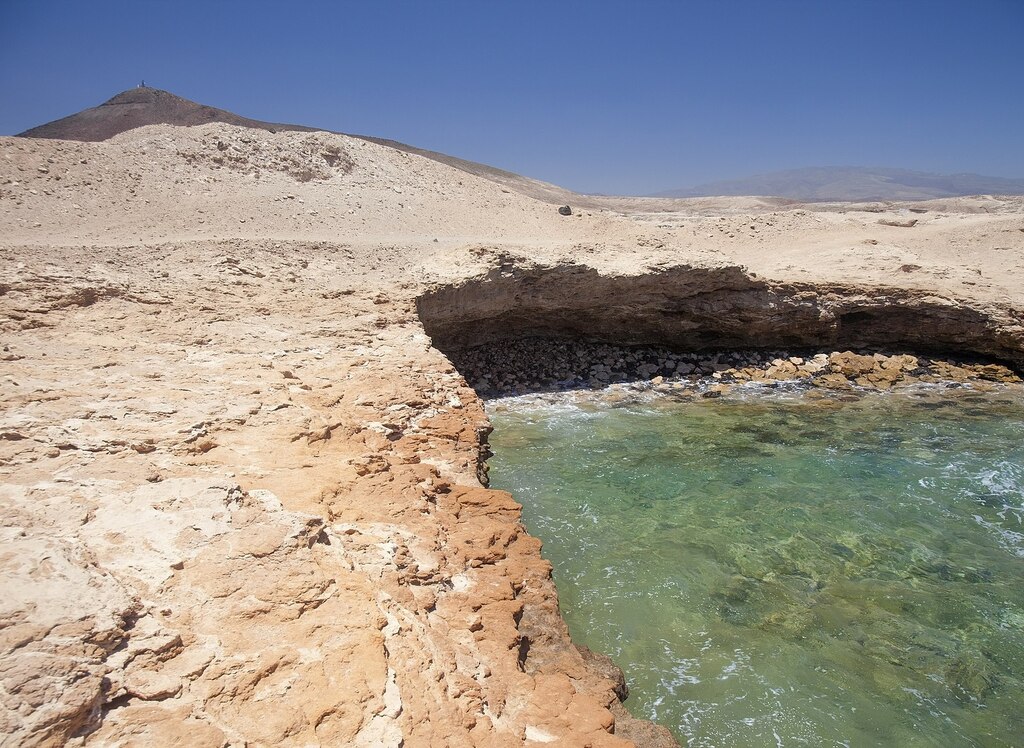
Go on an excursion of diversity on a half-day trip to Parque Nacional Punta Sal, a.k.a. Jeanette Kawas National Park from San Pedro Sula. Board a boat from the coastal town of Tela to the pristine, unspoiled sands of Punta Sal and explore its diverse marine and tropical forest ecosystem and their flora and fauna. Explore an open cave with water before observing pelicans nesting on the headlands in their natural environment. Top off your trip by snorkelling among the exotic marine life of the coral reef.
Good to know:
Boats for Punta Sal leave from the Lancetilla River or the sandbars at the mouth of the river. The trip will last anywhere between 35 and 45 minutes.
Garifuna Tours and Eco Di Mare Tours are popular options for getting the full experience of Punta Sal and its surroundings.
Stay here:
Book Tours : Half-Day Trip to Punta Sal from San Pedro Sula
Vacationing in Honduras
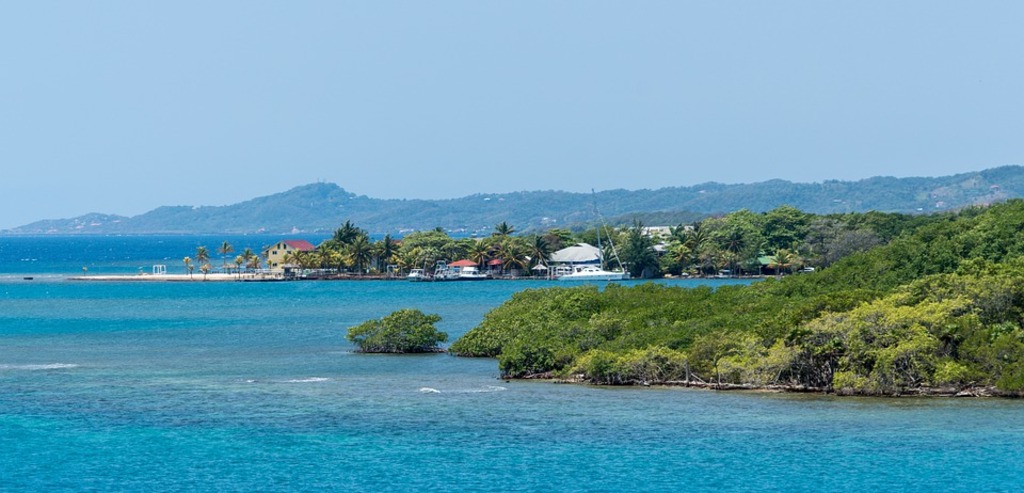
While not all areas in Honduras are still travel-able, the country is moving forward enough for its lovely Caribbean shores and beautifully colonial sights to attract the attention of intrepid travellers, who are eager to unravel the mystery that the Central American country is. There are so many things to do in Honduras, so check out these interesting destinations and discover the allure of this place.
History
Get Trip101 in your inbox
Unsubscribe in one click. See our Privacy Policy for more information on how we use your data