


Most of us know Nepal to be home of the snow-capped Himalayas and birthplace of the Buddha. It is also home of an unconquered people with a rich and diverse culture that defines any visit to the country. Due to its unique location that finds it hemmed in by India, China, and Tibet, it has absorbed many overlapping influences into its own fabric. So whether you visit the country to find your spiritual center at Lumbini or Pashupatinath, to scale new peaks, or to observe the majesty of the terai (Nepal’s Southern lowland), you’ll want to pick out a keepsake from your visit that reminds you of the enchanting pattern of Nepal. We suggest you consider thangka paintings, singing bowls, local Lokta paper products, traditional khukuri knives, statues and masks, and maybe a box or two of home-grown tea and spices. Keep reading to find out what to buy in Nepal.
1. Thangka paintings

Thangka paintings may be every tourist’s favorite pick of a souvenir from Nepal, but the preference is understandable. These eye-catching paintings are usually themed on Buddhist deities or mandalas that were originally used as tools for meditation on the route to enlightenment. While you may want to simply fill up space on the wall, go the extra step and ask for a thangka painting of a deity that fits with a theme you have in mind: wisdom, compassion, power, or straight-up wealth.
2. Singing bowls

Some say that these singing bowls started out as copper food bowls in Nepal. Their transition to bowls with spiritual properties is a recent phenomenon. That being said, in the right hands, the sounds produced by an authentic singing bowl have the effect of calming the senses, or balancing the chakras. It is said that real singing bowls are meant to be made of eight specific metals. Also, the shape of a bowl produces different wave patterns. Moreover, it takes some training to use a mallet to produce the right sounds, such as wah-wah or water bowl sounds. Each person needs to find the singing bowl that suits them, so prepare to hunt around Nepal to find the singing bowl that speaks to you.
3. Pashmina

There wouldn’t be cashmere (pashmina) without a certain moody goat of the high Himalayas. The world-famous pashmina shawls are made from the hair of the Capra hircus goat. Valued for its lightness, luster and excellent insulation, it is not just used to make shawls but coats, blankets, and scarves. It is often combined with both natural and synthetic fabrics, making the quest for pure pashmina elusive. So make sure you’re equipped with the necessary detective skills to pick out the right pashmina while you’re in Nepal, even though you’re in the homeland of the chyangra goat from which it is sourced.
4. Khukri

What’s your country’s national weapon? That might take time to figure out. In the case of a Nepali, there’s no doubt there is the legendary khukri which is found in almost every home in the country. This carefully fashioned curved knife is credited with Nepali victory against the British in 1815. Though its ancient origins are wrapped in mystery. It is popularly known as the Gurkha knife, as it is an essential weapon of Nepal’s fearsome Gurkha fighters. Yet, the fashioning of the khukri by skilled blacksmiths make it a work of art - notice the high-grade steel, the handle that can be made from metal, wood, or horn; and scabbard made from animal hide or wood. This is a worthy collector’s item to pick up on your visit to Nepal.
Nepal Tour Guide

Dinesh Thapa Magar
Meet Dinesh, your go-to guide for an unforgettable Nepal experience. With years of expertise, he seamlessly blends city charm with mountain thrill. Let Dinesh unveil Nepal's secrets, from vibrant streets to towering peaks, creating memories that linger far beyond the journey.
Tours by Dinesh thapa magar

5. Handicrafts

Take a walk through any city or town in Nepal, and it’s hard to miss hints of carving that tell a rich history of handicrafts. Whether it’s the engravings in wooden temples and palaces, or the hypnotic wall hangings and distinct pieces of furniture in homes, you’ll want to explore more of where it came from. Nepal also has a rich tradition of terracotta art and there’s even a whole market (Bhaktapur Durbar Square) dedicated to earthenware pots. You’ll also want to pick up a Nepali cap or shawl made from the traditional handloom fabric called Dhaka.
6. Statues and masks

From the many curio shops to be found in the larger towns and cities of Nepal, you’ll find an abundance of statues, masks, and figurines looking back at you. Most of them are of religious significance and if you ask around, you’ll uncover a back story. If you’re not in the mood for lugging around anything too heavy, you might want to pick up some traditional Nepali masks such as the tiger lion mask or the Bhairab mask that you will have encountered at any of the cultural festivals.
7. Jewelery and arts

First-time visitors to the usual city centers of Nepal are usually taken aback by the wide variety of arts, crafts, and jewelry of good workmanship. Whether you find yourself in Thamel, Asan, Boudha Stupa, or the Durbar Square, you’ll find no shortage of shops selling brassware, stoneware, woodware, handicrafts, pottery, and ethnic jewelry. Of particular note is the ethnic jewelry of the Newar people of Nepal. If it’s up your alley, you may also want to pick out some items of jewelry made from yak bone.
8. Evergreen lokta paper

In a world where we are recognizing the need to reduce our dependence on plastics, Nepal offers one solution. Lokta paper, made from the bark of an evergreen shrub that grows in the Himalayas, has been used in the country since as far back as 2000 years. Durable and insect-resistant, it has been the traditional go-to paper for religious texts and continues to be used for official government records. Today, it is used in printing office supplies, restaurant menus, packaging, and origami art. It has the unique quality of being able to preserve the aromas of the product it packages, and therefore lends itself perfectly to wrapping condiments, spices, and incense. It is also used to make paper jewelry, craft boxes, lampshades, and art paper. So don’t forget to pick up a few lokta paper products while you’re in Nepal.
9. Tea

While by no means a large producer of tea, the elevation and climatic conditions in some regions of Nepal make it perfect for tea cultivation. While you can pick out the regular or the more distinguished in any version, there’s one specific tea loved by Nepalis that you can ask for by name - Ilam (the name of one of Nepal’s six tea-growing districts). It’s Nepal’s answer to Darjeeling tea and some connoisseurs would rate it superior to the latter. Whether you go for golden tips, silver tips, or blends, you won’t regret packing in a nice tea chest packed with your selections.
10. Spices
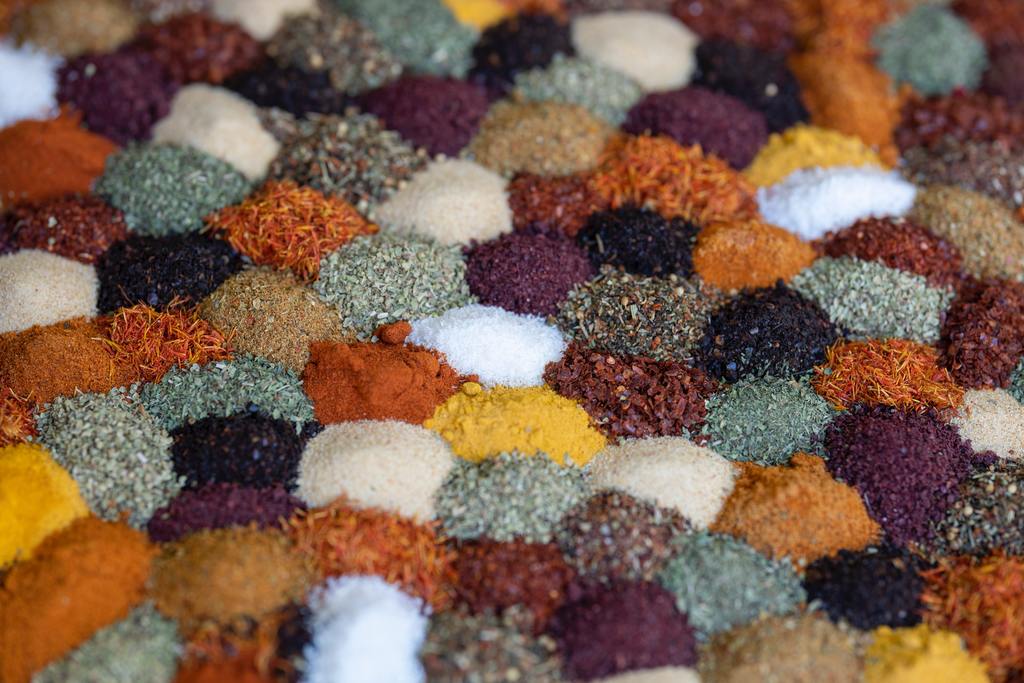
While trekkers in Nepal may tire of the dependable dal and rice at every meal, a visit to any city restaurant will present the full panoply of Nepal’s cuisine. There are momos (dumplings), thukpa (noodles), the buffalo meat dish known as choila, and the cornmeal porridge dhindho, to name a few. While bearing a close likeness to Indian cuisine - the specific combination of spices gives Nepali cuisine its own character. Stash away some packets of spices before you leave. Try getting your hands on beasar (Nepali turmeric), pipli (long pepper), timmur (Sichuan pepper), and adhuwa (Nepali ginger).
11. Find that special keepsake

Whether you’re in Nepal for its natural beauty or its spiritual power, Nepal will have you hooked and wanting to keep a part of it when you leave. Nepal’s markets do not disappoint and showcase more than you can manage. So once you’ve taken in the enchantment of the terai, terraces, valleys, and mountain ranges, don’t forget to wind in and out of shopping alleys to find that special keepsake that will remind you of Nepal wherever you find yourself next.
Rice Paper Items

One versatile and rather interesting token people commonly use in Nepal in everything is rice paper. It’s made out of Ioka bark that can only be sourced from remote areas of the country. However, several interesting nicknacks can be made from rice paper that is sold everywhere and many don’t even notice is rice paper. Some of which include writing pads, bound journals, calendars, and even lampshades among others. These items are commonly sold in public markets of Kathmandu and Pokhara which start 1.40 USD to 3.50 USD for decorative lanterns.
History
Get Trip101 in your inbox
Unsubscribe in one click. See our Privacy Policy for more information on how we use your data